
MICROGRIDS
Integrated Power Systems for Greater Energy Resilience
Commercial microgrids provide facilities with greater control over how power is generated, stored, distributed, and used. By combining utility power with distributed energy resources such as solar, battery storage, generators, and advanced controls, microgrids can improve resiliency, reduce energy costs, and help critical facilities maintain operation during outages or periods of peak demand.
We provide the electrical infrastructure required to integrate multiple power sources into a coordinated and reliable system.
Scope
Microgrid Scope & Capabilities
Bullert provides the electrical infrastructure required to integrate utility power, generation, energy storage, distribution, controls, and critical loads into coordinated and resilient microgrid systems.
Utility Interconnection
Electrical infrastructure and coordination required to connect the microgrid with the serving utility while maintaining safe and reliable operation.
Medium- and Low-Voltage Distribution
Installation of switchgear, switchboards, transformers, panelboards, feeders, and distribution equipment used to route power throughout the microgrid.
Solar Photovoltaic Integration
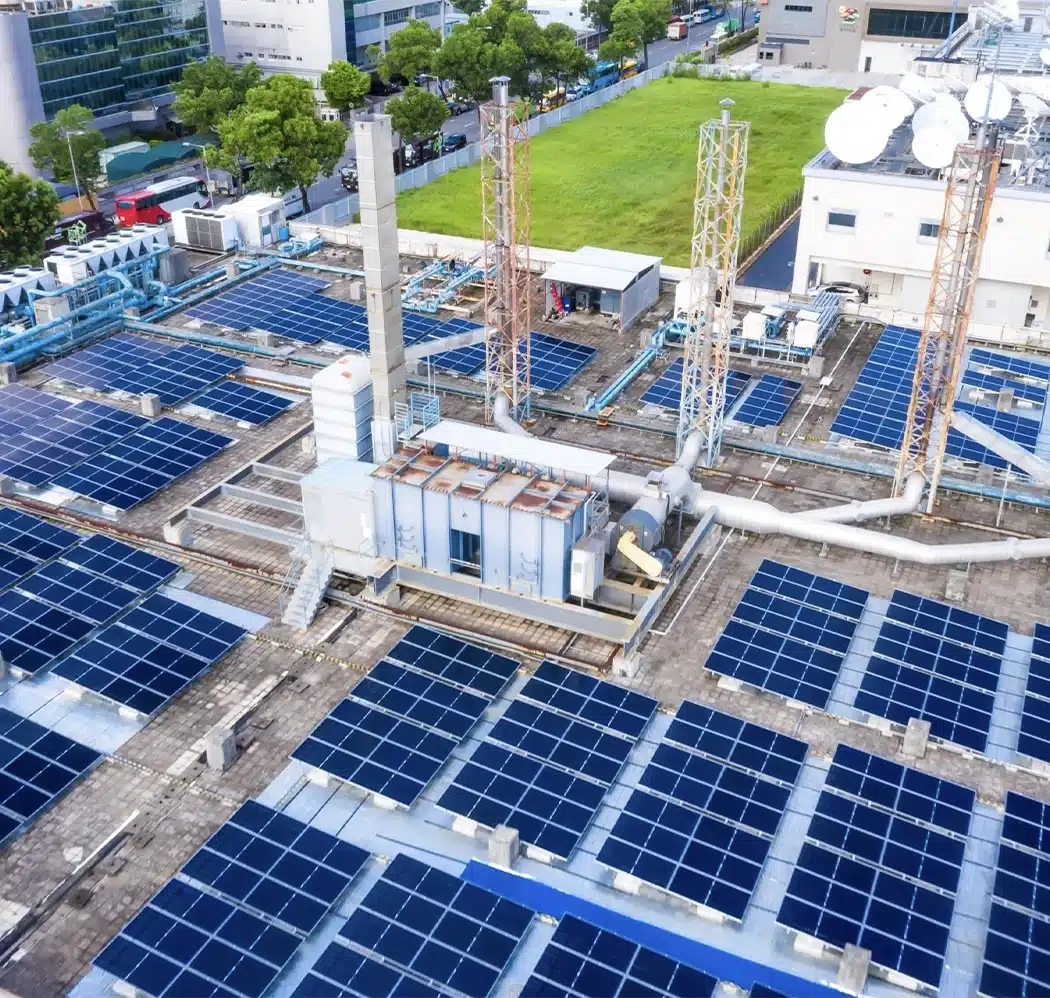
Electrical connections, inverters, disconnects, feeders, combiner equipment, and distribution systems supporting onsite solar generation.
Battery Energy Storage Systems
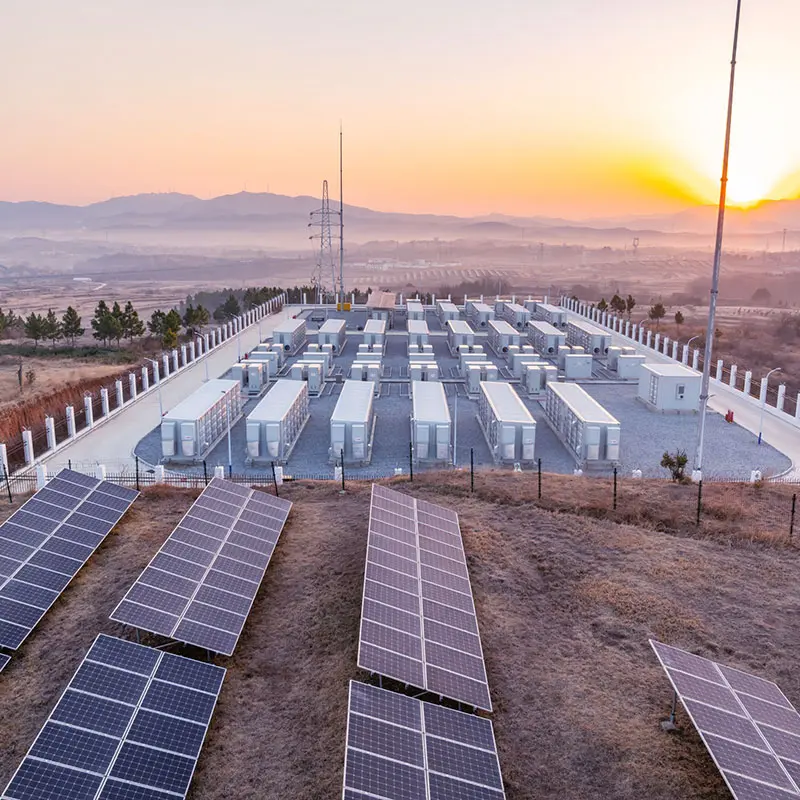
Installation and integration of battery storage equipment, inverters, transformers, disconnects, protection devices, and associated electrical infrastructure.
Generator Integration
Installation and connection of standby or prime generators used to support facility loads and provide additional resiliency.
Automatic Transfer and Switching Systems
Installation of automatic transfer switches, breakers, relays, and switching equipment used to transition between utility, generation, and stored energy sources.
Microgrid Controllers
Electrical support and integration for control systems that manage generation, storage, facility loads, and utility interaction.
Island Mode Operation
Electrical infrastructure that allows a facility or selected loads to disconnect from the utility grid and continue operating independently when required.
Critical Load Distribution
Identification and installation of dedicated distribution systems serving essential equipment that must remain operational during power interruptions.
Load Shedding and Load Management
Integration of controls and switching systems that automatically prioritize or disconnect loads based on available generation and system conditions.
Peak Demand Management
Electrical systems supporting energy strategies designed to reduce demand charges by shifting loads or using stored and onsite-generated power during peak periods.
Energy Management Systems
Integration of metering, monitoring, controls, and communication systems used to optimize energy production and consumption.
Power Monitoring and Metering
Installation of meters, current transformers, monitoring equipment, and communication systems used to track power quality, energy usage, and system performance.
Protection and Relay Systems
Installation and coordination of protective relays, breakers, disconnects, and control systems designed to protect equipment and maintain system stability.
Synchronization and Paralleling Systems
Electrical infrastructure supporting the safe synchronization and parallel operation of generators, energy storage systems, and utility power.
SCADA and Controls Integration
Installation of communication pathways, controls wiring, network equipment, and field devices used to monitor and control microgrid assets.
EV Charging Integration
Electrical distribution and controls supporting electric vehicle charging as part of a facility’s overall energy-management strategy.
Grounding and Bonding
Grounding electrode systems, equipment bonding, grounding grids, and specialty grounding required for interconnected generation and storage equipment.
Underground and Site Electrical
Conduit, duct banks, handholes, pull boxes, feeders, and site distribution connecting generation, storage, and facility loads.
Existing Facility Retrofits
Modifications to existing electrical distribution systems to incorporate battery storage, solar generation, generators, and microgrid controls.
New Construction Integration
Complete electrical infrastructure for microgrids designed as part of new commercial, industrial, institutional, or critical-facility construction.
System Expansion and Modernization
Electrical upgrades that allow additional generation, battery capacity, EV charging, or critical loads to be incorporated into an existing microgrid.
Testing and Commissioning
Equipment checkout, protection testing, control verification, generator testing, battery system startup, transfer testing, islanding verification, and integrated systems commissioning.