
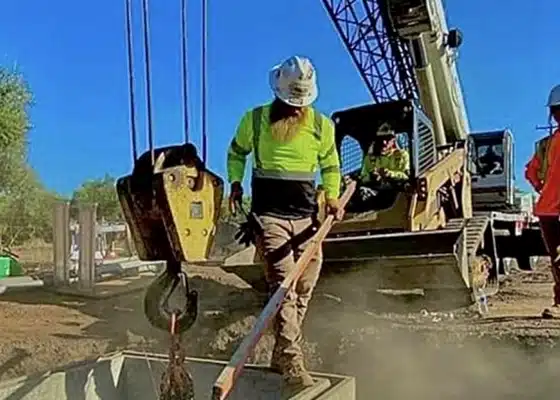
ROBOTICS
Electrical Infrastructure for Advanced Robotics & Automation
Commercial robotics systems require precise, reliable electrical infrastructure to support automated equipment, controls, communications, and safety systems. We provide the power and control installations needed for robotic manufacturing, warehouse automation, material handling, packaging, assembly, and other advanced commercial applications.
Our electrical experience allows us to support both new robotic installations and upgrades to existing automated systems.
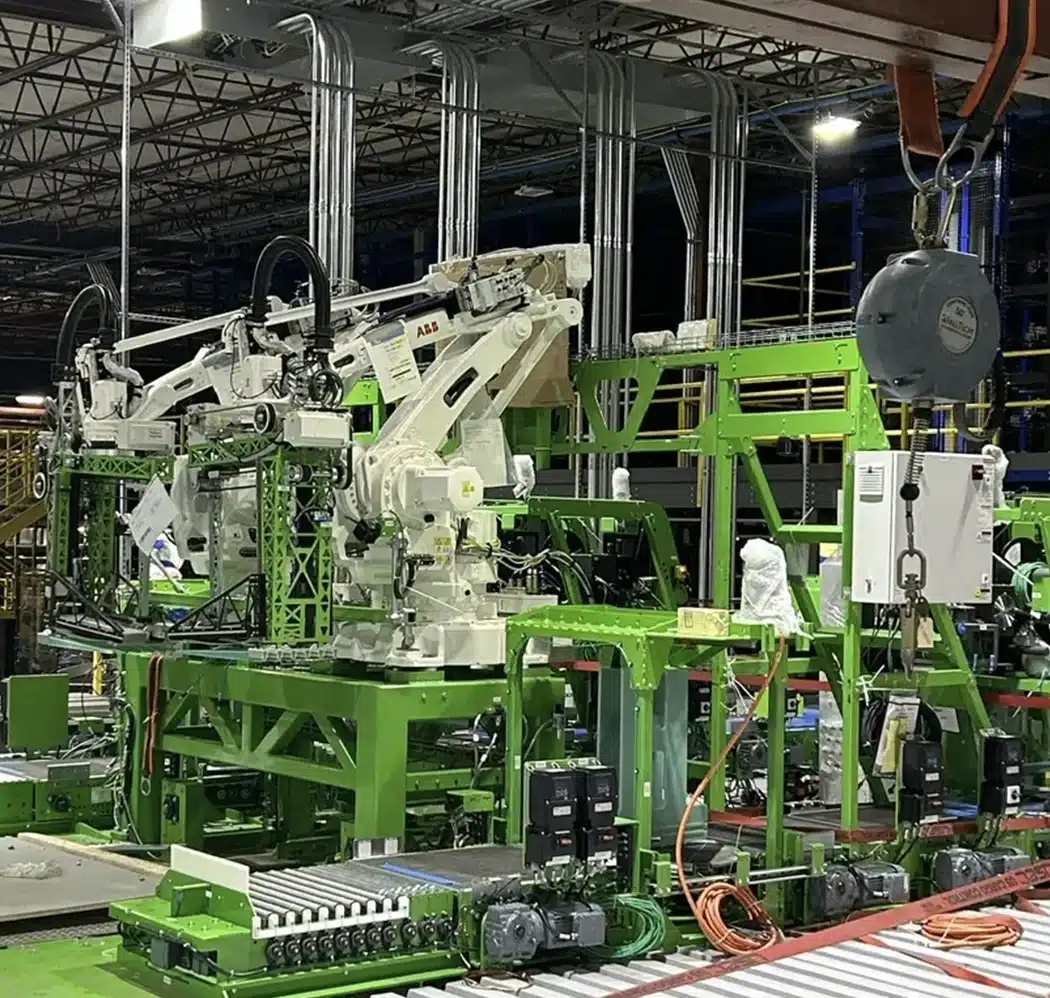
Scope
Robotics Scope & Capabilities
Bullert provides the electrical power, controls, communications, and supporting infrastructure required to integrate robotic and automated systems into modern commercial and production environments.
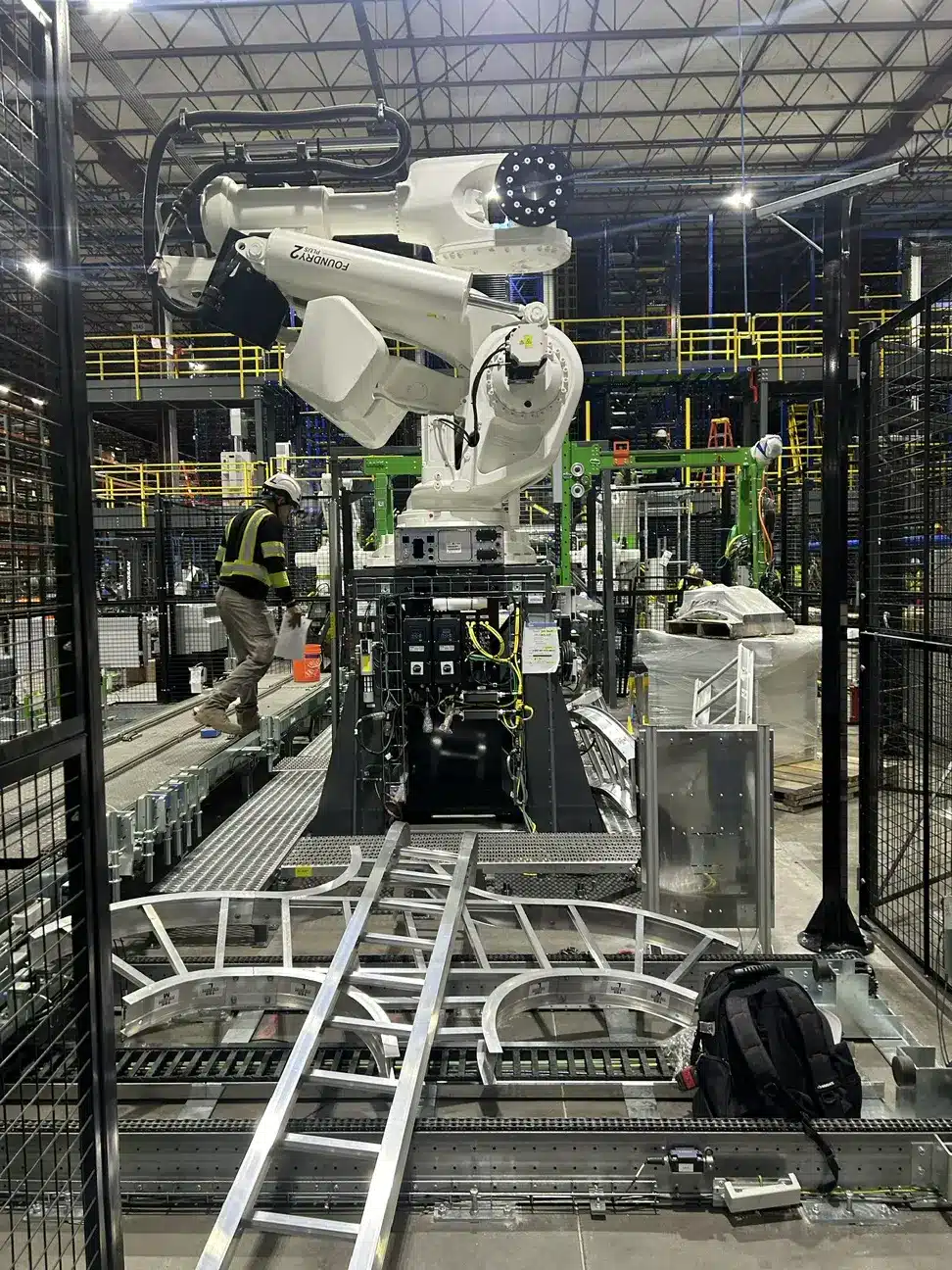
Robotic Cell Power Distribution
Installation of feeders, disconnects, transformers, panelboards, and branch circuits serving robotic cells and associated equipment.
Robot Controller Connections
Power and control wiring for robot controllers, teach pendants, servo systems, and related automation hardware.
Industrial Control Panels
Installation and wiring of control panels, remote I/O panels, operator stations, and equipment control cabinets.
PLC Integration
Electrical installation and field wiring for programmable logic controllers used to coordinate robotic equipment and production processes.
HMI and Operator Interfaces
Power, control, and communication connections for human-machine interfaces, operator stations, touchscreens, and production controls.
Machine Safety Systems
Installation of emergency-stop circuits, safety relays, light curtains, interlocks, safety mats, gate switches, and other personnel-protection systems.
Sensors and Machine Vision
Power and wiring for photoeyes, proximity sensors, encoders, scanners, cameras, vision systems, and other robotic feedback devices.
Servo and Motion Control Systems
Electrical infrastructure for servo drives, motors, actuators, positioning systems, and high-precision motion equipment.
Conveyor and Material-Handling Integration
Power and controls for conveyors, sortation systems, lifts, palletizers, depalletizers, and robotic material-handling equipment.
Automated Storage and Retrieval Systems
Electrical support for AS/RS systems, automated racking, shuttles, cranes, and warehouse retrieval equipment.
Automated Guided Vehicles and AMRs
Electrical infrastructure for charging stations, controls, communications, and support equipment serving AGVs and autonomous mobile robots.
Packaging and Palletizing Systems
Power and controls for robotic packaging, case packing, labeling, palletizing, wrapping, and end-of-line equipment.
Machine Tool and Production Equipment Integration
Electrical connections between robotic systems and CNC machines, presses, welders, assembly stations, and other production equipment.
Industrial Networking and Communications
Installation of Ethernet, fiber optic, and industrial communication networks connecting robots, PLCs, HMIs, drives, and production systems.
Cable Tray and Raceway Systems
Installation of conduit, cable tray, wireway, and support systems for power, control, data, and instrumentation wiring.
VFDs and Motor Controls
Installation of variable frequency drives, starters, disconnects, and motor control equipment associated with conveyors and automated machinery.
Machine Vision and Quality Control Systems
Electrical support for automated inspection, scanning, measurement, and defect-detection equipment.
Robotic Welding and Fabrication Systems
Power and control infrastructure for robotic welding cells, positioners, fume extraction, and related fabrication equipment.
Grounding and Bonding
Equipment grounding, bonding, grounding busbars, and specialty grounding for sensitive controls and robotic systems.
System Upgrades and Retrofits
Modification of existing electrical infrastructure to accommodate new robots, controls, sensors, production equipment, or automation technology.
Production Line Expansion
Electrical work associated with new robotic cells, expanded conveyor systems, added production capacity, and facility automation improvements.
Shutdown and Cutover Coordination
Planned modifications, equipment replacements, and tie-ins coordinated around production schedules to minimize downtime.
Testing, Startup, and Commissioning
Point-to-point verification, control testing, motor rotation checks, sensor verification, safety-system testing, equipment startup, and commissioning support.